
If you are looking for praise god from whom all blessings flow chords, you probably want a simple, worship-ready way to play this beloved doxology with confidence. This hymn is short, familiar, and deeply meaningful, which makes it perfect for church offerings, family worship, devotion nights, choir practice, and acoustic guitar moments. Many players need more than a basic chord chart. They also need help with key choice, strumming, piano shapes, timing, transitions, capo use, and how to make the hymn feel peaceful instead of rushed. This guide gives you a clear, beginner-friendly breakdown using worship language, practical music tips, and helpful chord ideas. Whether you play guitar, piano, or lead a small group, you will find simple ways to support the melody and create a warm worship atmosphere.
Simple Worship Chord Foundation 🎵
- 🎶 Start with a comfortable key your voice can handle.
- 🎶 Use familiar open chords for beginner acoustic guitar.
- 🎶 Keep the tempo calm, steady, and prayerful.
- 🎶 Let the melody guide every chord change naturally.
- 🎶 Avoid overplaying during a short doxology moment.
- 🎶 Use gentle dynamics for a reverent worship setting.
- 🎶 Choose clean chord voicings over complicated substitutions.
- 🎶 Practice slow transitions before adding full strumming.
- 🎶 Follow the congregation’s breathing and phrasing carefully.
- 🎶 Keep chord movement smooth during each worship line.
- 🎶 Use simple bass notes to support piano harmony.
- 🎶 Let each final cadence feel settled and peaceful.
- 🎶 Maintain a humble tone rather than performance energy.
- 🎶 Match the room size with softer or fuller playing.
- 🎶 Remember the song’s purpose is praise, not display.
Common Keys for Congregational Singing 🙏
- 🎼 Key of G works well for many guitarists.
- 🎼 Key of D gives bright acoustic worship color.
- 🎼 Key of C feels simple for piano beginners.
- 🎼 Key of F may suit lower congregational voices.
- 🎼 Key of E works nicely with capo adjustments.
- 🎼 Avoid keys that push singers too high.
- 🎼 Test the highest note before choosing your key.
- 🎼 Keep the melody comfortable for mixed voices.
- 🎼 Use transposition when your group struggles vocally.
- 🎼 Let older congregations sing in easier ranges.
- 🎼 Try piano first when checking vocal comfort.
- 🎼 Guitarists can use capo for easier shapes.
- 🎼 Worship leaders should prioritize singability over preference.
- 🎼 Simple keys help the congregation join confidently.
- 🎼 A good key makes praise feel effortless.
Guitar Shapes and Capo Tips 🎸
- 🎸 Open G shapes sound warm and familiar.
- 🎸 Capo two can create bright A-family sound.
- 🎸 Capo four with C shapes feels gentle.
- 🎸 D shapes add ringing acoustic worship texture.
- 🎸 Avoid barre chords if beginners feel uncomfortable.
- 🎸 Keep fingers close during each chord change.
- 🎸 Practice G, C, D, and Em transitions slowly.
- 🎸 Use capo placement cleanly behind the fret.
- 🎸 Check tuning after attaching or moving capo.
- 🎸 Let open strings ring only when musically fitting.
- 🎸 Mute unused strings for cleaner hymn harmony.
- 🎸 Try fingerpicking for quieter prayer services.
- 🎸 Use light strums during offering or communion.
- 🎸 Choose chord shapes that support confident singing.
- 🎸 Record practice once to hear rough transitions.
Piano Voicings and Hymn Harmony 🎹
- 🎹 Begin with root-position triads for clarity.
- 🎹 Use inversions to reduce hand movement.
- 🎹 Keep left-hand bass notes soft and steady.
- 🎹 Avoid heavy chords during reflective worship moments.
- 🎹 Play melody lightly if singers need support.
- 🎹 Use broken chords for a gentle devotional feel.
- 🎹 Let sustained harmony breathe between phrases.
- 🎹 Keep pedal clean to avoid muddy sound.
- 🎹 Change pedal with each harmonic movement.
- 🎹 Try simple block chords for congregational strength.
- 🎹 Add passing tones only after learning basics.
- 🎹 Keep rhythm stable under the vocal line.
- 🎹 Support endings with clear tonic resolution.
- 🎹 Practice slowly until transitions feel natural.
- 🎹 Let the piano sound warm, not crowded.
Strumming Patterns for a Reverent Feel ✨
- ✨ Use downstrokes only for the simplest version.
- ✨ Try soft down-up patterns for gentle movement.
- ✨ Keep strumming quieter than the congregation’s singing.
- ✨ Avoid aggressive rhythm in traditional church settings.
- ✨ Let each phrase breathe before continuing forward.
- ✨ Use lighter strokes near the guitar neck.
- ✨ Build slightly toward the final worship phrase.
- ✨ Return softly after any strong chord arrival.
- ✨ Match strumming speed to the hymn’s natural pulse.
- ✨ Count slowly before introducing a new pattern.
- ✨ Keep wrist relaxed for smoother acoustic tone.
- ✨ Finger strumming can sound warmer than a pick.
- ✨ Use silence between phrases for emotional depth.
- ✨ Do not rush the final amen cadence.
- ✨ Practice with metronome, then follow human breathing.
Timing, Meter, and Phrasing ⏱️
- ⏱️ The tune is often sung with stately movement.
- ⏱️ Keep the pulse steady without sounding mechanical.
- ⏱️ Allow natural pauses after important worship phrases.
- ⏱️ Watch the leader’s hand for final timing.
- ⏱️ Avoid dragging too slowly during congregational singing.
- ⏱️ Let the text shape each musical phrase.
- ⏱️ Count the measures before adding embellishments.
- ⏱️ Practice chord changes exactly where phrases turn.
- ⏱️ Keep entrances clear for singers and choir.
- ⏱️ Use breath marks when leading from sheet music.
- ⏱️ Let the last line feel spacious and complete.
- ⏱️ Follow the congregation if they stretch endings.
- ⏱️ Keep accompaniment supportive, never distracting.
- ⏱️ Rehearse transitions from offering into hymn response.
- ⏱️ End together with a clean final chord.
Traditional Tune and Worship History 📖
- 📖 The hymn is commonly connected with doxology worship.
- 📖 Thomas Ken wrote the familiar English text in 1674.
- 📖 The tune Old 100th is widely associated with it.
- 📖 Old 100th is linked to Louis Bourgeois tradition.
- 📖 Many churches sing it during offering responses.
- 📖 The melody carries a strong congregational memory.
- 📖 Some traditions use different hymn tune settings.
- 📖 Long meter supports balanced four-line hymn structure.
- 📖 Familiarity helps worshippers sing without hesitation.
- 📖 Historical hymns often need simple accompaniment.
- 📖 The doxology expresses praise to the Triune God.
- 📖 Worship settings may include organ, piano, or guitar.
- 📖 Modern services often use softer acoustic arrangements.
- 📖 Traditional churches may prefer organ-style harmony.
- 📖 Knowing the history helps musicians play respectfully.
Beginner Practice Plan for Clean Changes 🌿
- 🌿 Practice one chord change for five slow minutes.
- 🌿 Use a metronome before playing with singers.
- 🌿 Hum the melody while changing chords slowly.
- 🌿 Start with two chords before adding more.
- 🌿 Keep fingers relaxed to avoid stiff movement.
- 🌿 Learn the ending separately for stronger confidence.
- 🌿 praise god from whom all blessings flow chords Practice the first phrase until it feels automatic.
- 🌿 Add strumming only after chord shapes feel secure.
- 🌿 Record yourself and listen for uneven timing.
- 🌿 Slow practice builds smoother worship leadership.
- 🌿 Use simple charts before reading fuller notation.
- 🌿 Play along with a quiet reference recording.
- 🌿 Rehearse standing if you will lead standing.
- 🌿 Check every chord name before church rehearsal.
- 🌿 Pray briefly before leading to calm nerves.
Easy Arrangement Ideas for Church Use ⛪
- ⛪ Begin with solo piano before congregation enters.
- ⛪ Add guitar softly after the opening phrase.
- ⛪ Use organ support for a traditional service.
- ⛪ Let choir sing harmony over simple chords.
- ⛪ Keep drums out unless the service style fits.
- ⛪ Use one verse as an offering response.
- ⛪ Repeat softly during prayerful transition moments.
- ⛪ Add light strings for a special service.
- ⛪ Keep arrangement short for liturgical flow.
- ⛪ Use a clear intro so singers enter confidently.
- ⛪ Avoid long instrumental breaks in congregational worship.
- ⛪ Let the final chord sustain with reverence.
- ⛪ Match volume to sanctuary size and acoustics.
- ⛪ Coordinate endings with pastor or worship leader.
- ⛪ Simplicity often serves this hymn best.
Chord Progression Examples by Key 🎼
- 🎼 In G, try G, D, Em, C movement.
- 🎼 In C, use C, G, Am, F shapes.
- 🎼 In D, begin with D, A, Bm, G.
- 🎼 In F, use F, C, Dm, Bb carefully.
- 🎼 In E, try E, B, C#m, A.
- 🎼 Keep progressions simple for congregational clarity.
- 🎼 Use dominant chords to strengthen final resolution.
- 🎼 Add suspended chords only for gentle color.
- 🎼 Avoid jazzy substitutions unless the setting allows.
- 🎼 Test each progression against the melody carefully.
- 🎼 Let chord changes match natural lyric movement.
- 🎼 Use tonic chords for stable worship openings.
- 🎼 Return home clearly at the final phrase.
- 🎼 Practice transposed versions before public leading.
- 🎼 Choose progressions that singers can follow easily.
Common Mistakes Musicians Should Avoid ⚠️
- ⚠️ Do not choose a key too high.
- ⚠️ Avoid rushing because the hymn feels short.
- ⚠️ Do not cover singers with loud accompaniment.
- ⚠️ Avoid unclear intros that confuse congregation entrances.
- ⚠️ Do not change chords before the melody needs.
- ⚠️ Avoid excessive fills during sacred worship text.
- ⚠️ praise god from whom all blessings flow chords Do not use capo without checking tuning.
- ⚠️ Avoid muddy piano pedal between chord changes.
- ⚠️ Do not ignore the leader’s final cue.
- ⚠️ Avoid unfamiliar reharmonization during congregational singing.
- ⚠️ Do not overcomplicate a beloved traditional hymn.
- ⚠️ Avoid skipping practice because the song seems easy.
- ⚠️ Do not let rhythm fight the natural words.
- ⚠️ Avoid harsh tone during quiet worship moments.
- ⚠️ Do not forget the song’s prayerful purpose.
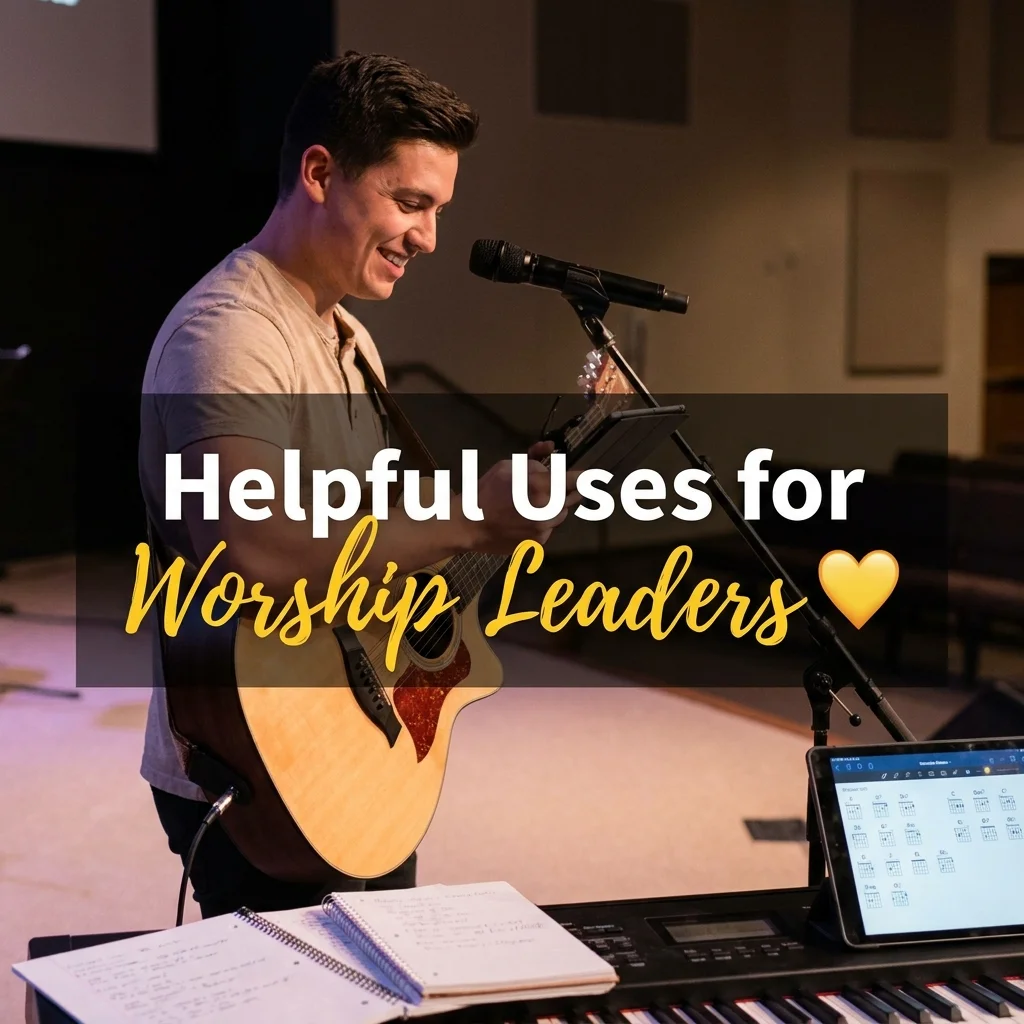
Helpful Uses for Worship Leaders 💛
- 💛 praise god from whom all blessings flow chords Use it as a simple offering response.
- 💛 Add it after a gratitude-focused sermon.
- 💛 Sing it during family worship at home.
- 💛 Include it in Thanksgiving or harvest services.
- 💛 Use it before benediction for peaceful closure.
- 💛 Teach it to beginner guitar worship teams.
- 💛 Pair it with prayer about daily provision.
- 💛 Sing it softly during communion reflection.
- 💛 Use piano-only accompaniment for intimate gatherings.
- 💛 Add choir harmony for traditional worship beauty.
- 💛 Share chord charts during small group rehearsal.
- 💛 Encourage singers to focus on gratitude.
- 💛 Keep the arrangement accessible for volunteers.
- 💛 Use it when service time needs simplicity.
- 💛 Let the doxology become heartfelt congregational praise.
Printable Chart Preparation Tips 📝
- 📝 praise god from whom all blessings flow chords Use large chord symbols for easy reading.
- 📝 Keep line spacing clear for older musicians.
- 📝 Mark capo position near the title area.
- 📝 Include the chosen key on every chart.
- 📝 Add tempo notes for consistent rehearsal flow.
- 📝 Mark intro, verse, ending, and repeat clearly.
- 📝 Avoid crowding too many notes per line.
- 📝 Use Nashville numbers for transposing teams.
- 📝 Provide piano chords and guitar shapes separately.
- 📝 Highlight difficult transitions before rehearsal begins.
- 📝 Add breath marks where singers naturally pause.
- 📝 Print backup copies for volunteers and leaders.
- 📝 Keep digital charts readable on mobile screens.
- 📝 Label special endings for seasonal worship services.
- 📝 Review copyright and church licensing when needed.
FAQ Section
What key is easiest for this hymn?
G and C are often easiest for beginners because the chord shapes feel familiar on guitar and piano.
Can beginners play this on guitar?
Yes. Beginners can start with simple open chords, slow down the tempo, and use gentle downstrokes.
Is Old 100th the common tune?
Yes. Old 100th is one of the most common tune settings for this doxology.
Can this be played on piano only?
Yes. Piano-only accompaniment works beautifully, especially with soft inversions and clean pedal changes.
Should I use a capo?
Use a capo if it helps your voice or congregation sing in a more comfortable range.
Is this good for church offering time?
Yes. Many churches use this doxology as a short offering response or worship transition.
Conclusion
Finding praise god from whom all blessings flow chords is only the first step. The deeper goal is to play this beloved doxology in a way that supports worship, encourages singing, and keeps the focus on gratitude to God. Simple chords, gentle timing, clean transitions, and a singable key can make the hymn feel peaceful and powerful. Whether you are playing guitar, piano, or leading a congregation, keep the arrangement clear and heartfelt. When the music serves the message, this short hymn can become a beautiful moment of shared praise.

Muhammad Arslan is the creator of Blessira. He writes about positivity, blessings, and spiritual growth. His goal is to share simple and helpful content that brings peace, barakah, and a better mindset into daily life.