

Choosing the right early learning environment can shape a child’s confidence, curiosity, and emotional security for years to come. For many families, little blessings child care center represents more than a place for supervision; it reflects the hope of finding safe care, warm teachers, meaningful routines, and age-appropriate learning under one trusted roof. Parents want to know their child is welcomed, protected, encouraged, and understood throughout the day. This guide explores what families often value most in a nurturing child care setting, from infant care and toddler development to preschool readiness, safety, communication, and family support. Whether you are comparing programs, preparing for enrollment, or simply learning what makes a center feel dependable, this article offers a clear, parent-focused overview to help you make a confident decision.
Nurturing Early Learning Environment 🌱
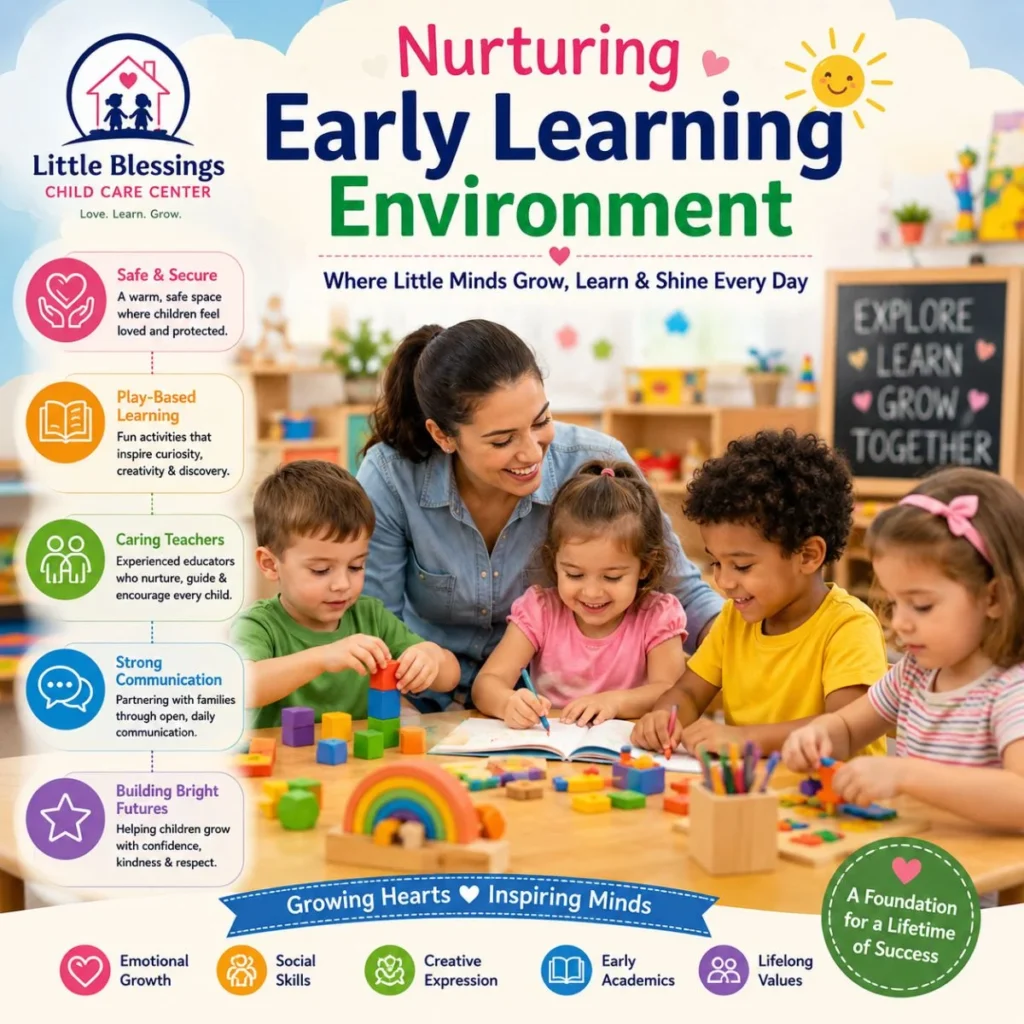
- 🌟 Warm classrooms help children feel secure and welcomed daily.
- 💛 Gentle teachers build trust through patience and consistency.
- 🌱 Daily routines support confidence, comfort, and emotional balance.
- 🎉 Positive guidance encourages kindness, cooperation, and self-control.
- 🐣 Age-appropriate activities respect each child’s developmental stage.
- 🌟 Calm transitions reduce stress during busy classroom moments.
- 💛 Loving interactions help children develop healthy relationships.
- 🌱 Predictable schedules support independence and peaceful participation.
- 🎉 Encouraging words strengthen confidence during new learning experiences.
- 🐣 Small group moments promote listening, sharing, and belonging.
- 🌟 Thoughtful classroom design supports exploration, safety, and creativity.
- 💛 Responsive caregiving helps children feel seen and understood.
- 🌱 Child-centered learning allows curiosity to guide daily discovery.
- 🎉 Supportive routines make drop-off and pickup easier for families.
- 🐣 Respectful care honors each child’s personality and pace.
- 🌟 A nurturing atmosphere helps early learners grow with joy.
- 💛 Emotional warmth creates a foundation for lifelong learning.
Infant Care and Daily Comfort 💛
- 🌟 Infant rooms should feel peaceful, clean, and closely supervised.
- 💛 Responsive caregivers notice hunger, tiredness, and emotional cues.
- 🌱 Gentle feeding routines support comfort and healthy development.
- 🐣 Safe sleep practices protect babies during essential rest periods.
- 🎉 Daily communication helps parents understand feeding and nap patterns.
- 🌟 Soft play encourages movement, curiosity, and sensory exploration.
- 💛 Loving voices help infants build early language awareness.
- 🌱 Clean spaces reduce stress and support healthy routines.
- 🐣 Individual schedules respect each baby’s natural rhythm.
- 🎉 Tummy time strengthens muscles needed for future milestones.
- 🌟 Caregiver consistency helps babies form secure attachments.
- 💛 Comfort during separation builds trust between families and staff.
- 🌱 Infant learning happens through touch, sound, movement, and bonding.
- 🐣 Safe toys support grasping, reaching, and visual tracking.
- 🎉 Calm diapering routines protect dignity, cleanliness, and comfort.
- 🌟 Observation helps teachers celebrate emerging developmental progress.
- 💛 Affectionate care reassures families throughout the workday.
Toddler Growth and Discovery 🐣
- 🌟 Toddlers need active spaces for movement and exploration.
- 💛 Patient guidance supports big feelings and growing independence.
- 🌱 Simple choices help toddlers practice decision-making skills.
- 🎉 Songs, stories, and play strengthen early communication.
- 🐣 Safe climbing and movement activities build physical confidence.
- 🌟 Repetition helps toddlers master routines and classroom expectations.
- 💛 Gentle redirection teaches boundaries without fear or shame.
- 🌱 Sensory play supports curiosity, focus, and creative thinking.
- 🎉 Sharing activities introduce friendship, empathy, and cooperation.
- 🐣 Toilet-learning support should feel respectful and pressure-free.
- 🌟 Toddler art encourages expression without demanding perfection.
- 💛 Teachers model helpful words during conflict and frustration.
- 🌱 Outdoor play helps toddlers release energy and observe nature.
- 🎉 Picture books build vocabulary, listening, and imagination.
- 🐣 Predictable routines help toddlers feel safe during transitions.
- 🌟 Music and movement support rhythm, balance, and memory.
- 💛 Encouragement helps toddlers try new skills confidently.
Preschool Readiness and Confidence 🌟
- 🌟 Preschool classrooms prepare children for structured learning experiences.
- 💛 Play-based lessons introduce literacy, numbers, and problem-solving.
- 🌱 Circle time builds listening, attention, and group participation.
- 🎉 Early writing activities strengthen fine motor development.
- 🐣 Storytelling encourages imagination, sequencing, and expressive language.
- 🌟 Counting games make early math practical and enjoyable.
- 💛 Classroom jobs build responsibility, pride, and independence.
- 🌱 Letter recognition grows through songs, books, and play.
- 🎉 Creative centers encourage planning, collaboration, and discovery.
- 🐣 Teachers support confidence before formal school expectations begin.
- 🌟 Social readiness matters alongside academic skill-building.
- 💛 Children learn patience through turn-taking and shared materials.
- 🌱 Science activities introduce observation, curiosity, and simple questions.
- 🎉 Dramatic play supports communication, empathy, and flexible thinking.
- 🐣 Name-writing practice builds ownership and school confidence.
- 🌟 Preschool routines prepare children for kindergarten transitions.
- 💛 Celebrating progress keeps learning joyful and motivating.
Safe and Secure Classrooms 🌱
- 🌟 Strong safety routines help families feel peaceful and confident.
- 💛 Secure entry procedures protect children throughout the day.
- 🌱 Clean classrooms reduce illness and support healthy attendance.
- 🎉 Supervised play areas help prevent avoidable accidents.
- 🐣 Teachers should know emergency plans and daily procedures.
- 🌟 Age-appropriate materials reduce choking and injury risks.
- 💛 Organized spaces help children move safely and independently.
- 🌱 Regular cleaning supports hygiene across toys and surfaces.
- 🎉 Careful attendance tracking protects every child’s whereabouts.
- 🐣 Outdoor equipment should match children’s ages and abilities.
- 🌟 Clear pickup policies keep children safe from confusion.
- 💛 First-aid readiness supports fast responses to minor injuries.
- 🌱 Calm supervision helps prevent classroom conflicts from escalating.
- 🎉 Safety drills teach preparedness without frightening young children.
- 🐣 Healthy handwashing routines build lifelong wellness habits.
- 🌟 Safe classrooms balance protection with active exploration.
- 💛 Parent trust grows when safety is visible daily.
Play-Based Curriculum and Skills 🎉
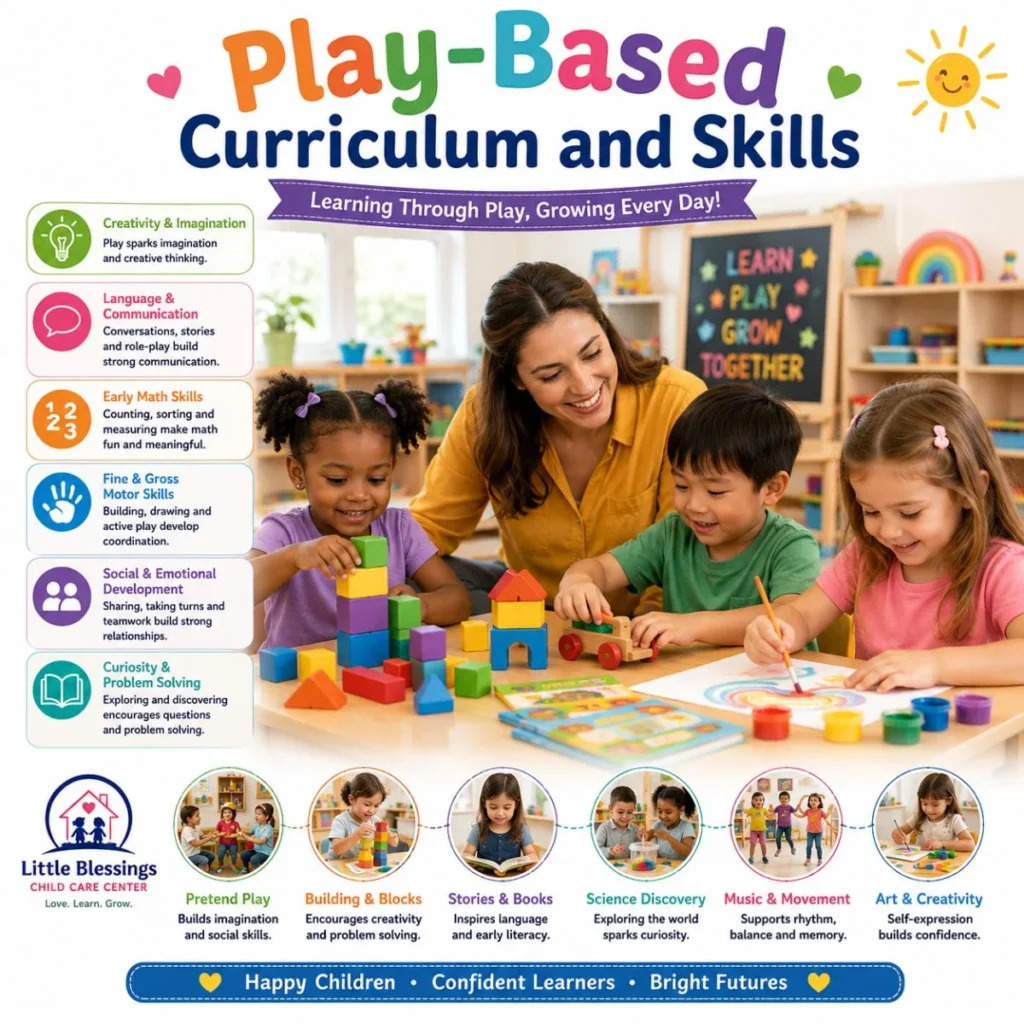
- 🌟 Play helps children practice thinking, language, and cooperation.
- 💛 Meaningful activities connect learning with real-life experiences.
- 🌱 Blocks support planning, balance, counting, and creativity.
- 🐣 Art centers encourage expression, color recognition, and imagination.
- 🎉 Music introduces rhythm, memory, movement, and joyful participation.
- 🌟 Pretend play builds vocabulary and social understanding.
- 💛 Puzzles strengthen patience, problem-solving, and visual awareness.
- 🌱 Nature activities spark questions about seasons and living things.
- 🐣 Table toys improve concentration and fine motor control.
- 🎉 Group games encourage listening, fairness, and self-regulation.
- 🌟 Sensory bins support exploration through textures and materials.
- 💛 Story activities develop comprehension, prediction, and conversation.
- 🌱 Matching games build memory, classification, and early reasoning.
- 🐣 Hands-on lessons help children understand ideas more deeply.
- 🎉 Play-based learning keeps young minds active and engaged.
- 🌟 Teachers guide discovery while respecting children’s interests.
- 💛 Joyful curriculum helps children love learning naturally.
Loving Teachers and Caregivers 💛
- 🌟 Caring teachers create the emotional tone of classrooms.
- 💛 Experience matters, but kindness shapes daily child comfort.
- 🌱 Attentive caregivers notice progress, struggles, and changing needs.
- 🎉 Positive language helps children feel capable and valued.
- 🐣 Teacher warmth supports attachment, confidence, and classroom belonging.
- 🌟 Respectful educators partner with parents, not replace them.
- 💛 Consistent expectations help children understand classroom boundaries.
- 🌱 Gentle problem-solving turns mistakes into learning opportunities.
- 🎉 Staff teamwork keeps routines smooth and children supported.
- 🐣 Ongoing observation helps teachers plan meaningful activities.
- 🌟 Patient responses calm emotional moments and build trust.
- 💛 Friendly greetings make children feel welcomed each morning.
- 🌱 Teachers model empathy through words, actions, and tone.
- 🎉 Encouragement helps hesitant children join activities comfortably.
- 🐣 Skilled caregivers balance supervision, instruction, and affection.
- 🌟 Children thrive when adults know them personally.
- 💛 Loving staff can make care feel like community.
Parent Communication and Peace of Mind 🌟
- 🌟 Clear updates help parents feel connected during workdays.
- 💛 Daily reports share meals, naps, learning, and moods.
- 🌱 Open communication builds trust between families and teachers.
- 🎉 Photos and notes can celebrate meaningful classroom moments.
- 🐣 Honest conversations support solutions when challenges arise.
- 🌟 Parents appreciate knowing how transitions are progressing.
- 💛 Consistent messages prevent confusion about routines and expectations.
- 🌱 Teachers should welcome questions with patience and respect.
- 🎉 Pickup conversations provide helpful snapshots of the day.
- 🐣 Family input helps caregivers understand each child better.
- 🌟 Communication should feel supportive, private, and practical.
- 💛 Progress updates help parents recognize developmental growth.
- 🌱 Shared goals make home and classroom routines stronger.
- 🎉 Trust grows when concerns are handled quickly.
- 🐣 Enrollment information should be clear, organized, and complete.
- 🌟 Responsive communication helps families feel genuinely included.
- 💛 Peace of mind begins with transparency and care.
Social Skills and Emotional Development 🐣
- 🌟 Early friendships teach sharing, patience, and cooperation.
- 💛 Teachers help children name emotions and needs.
- 🌱 Conflict resolution begins with gentle words and guidance.
- 🎉 Group play builds confidence in social situations.
- 🐣 Children learn empathy by practicing care for others.
- 🌟 Calm-down strategies support self-regulation and emotional awareness.
- 💛 Positive guidance teaches behavior without harsh punishment.
- 🌱 Role-playing helps children understand feelings and choices.
- 🎉 Cooperative games encourage teamwork and friendly participation.
- 🐣 Classroom routines teach respect for people and materials.
- 🌟 Emotional development influences learning, focus, and confidence.
- 💛 Teachers model apologies, forgiveness, and problem-solving.
- 🌱 Small successes help children feel socially capable.
- 🎉 Celebrating kindness encourages helpful classroom habits.
- 🐣 Peer interaction prepares children for school communities.
- 🌟 Safe relationships help children express themselves honestly.
- 💛 Strong emotional support creates happier daily experiences.
Health, Nutrition, and Daily Routines 🌱
- 🌟 Healthy routines help children feel balanced and ready.
- 💛 Regular meals and snacks support energy and focus.
- 🌱 Handwashing teaches responsibility and reduces shared germs.
- 🎉 Rest periods help young bodies recharge and grow.
- 🐣 Allergy awareness protects children with special dietary needs.
- 🌟 Clean eating spaces support comfort and sanitation.
- 💛 Calm mealtimes encourage conversation and independence.
- 🌱 Outdoor time supports physical health and fresh air.
- 🎉 Movement breaks help children stay regulated and engaged.
- 🐣 Hydration reminders support active play and concentration.
- 🌟 Diapering and toileting routines require dignity and cleanliness.
- 🌱 Balanced schedules include learning, rest, meals, and play.
- 🎉 Wellness habits become easier through daily repetition.
- 🐣 Illness policies protect children, families, and staff.
- 🌟 Comfortable routines reduce overstimulation during long days.
- 💛 Healthy care supports the whole child, not academics alone.
Faith, Values, and Character Building 💛
- 🌟 Values-based care can support kindness and gratitude.
- 💛 Gentle character lessons help children practice compassion daily.
- 🌱 Respectful routines teach patience, honesty, and responsibility.
- 🎉 Celebrations can build joy, belonging, and community.
- 🐣 Simple prayers or reflections may comfort some families.
- 🌟 Character education works best through loving adult examples.
- 💛 Children learn generosity by watching caregivers share kindness.
- 🌱 Stories can introduce courage, forgiveness, and helpful choices.
- 🎉 Classroom traditions create meaningful memories for young learners.
- 🐣 Respect for differences helps children build inclusive friendships.
- 🌟 Values should be taught with warmth and sensitivity.
- 💛 Families appreciate alignment between home and classroom principles.
- 🌱 Daily kindness becomes a habit through gentle repetition.
- 🎉 Encouraging gratitude helps children notice good moments.
- 🐣 Teachers can guide behavior through simple moral language.
- 🌟 Character growth supports confidence beyond the classroom.
- 💛 A caring culture helps children feel deeply valued.
Flexible Programs for Busy Families 🎉
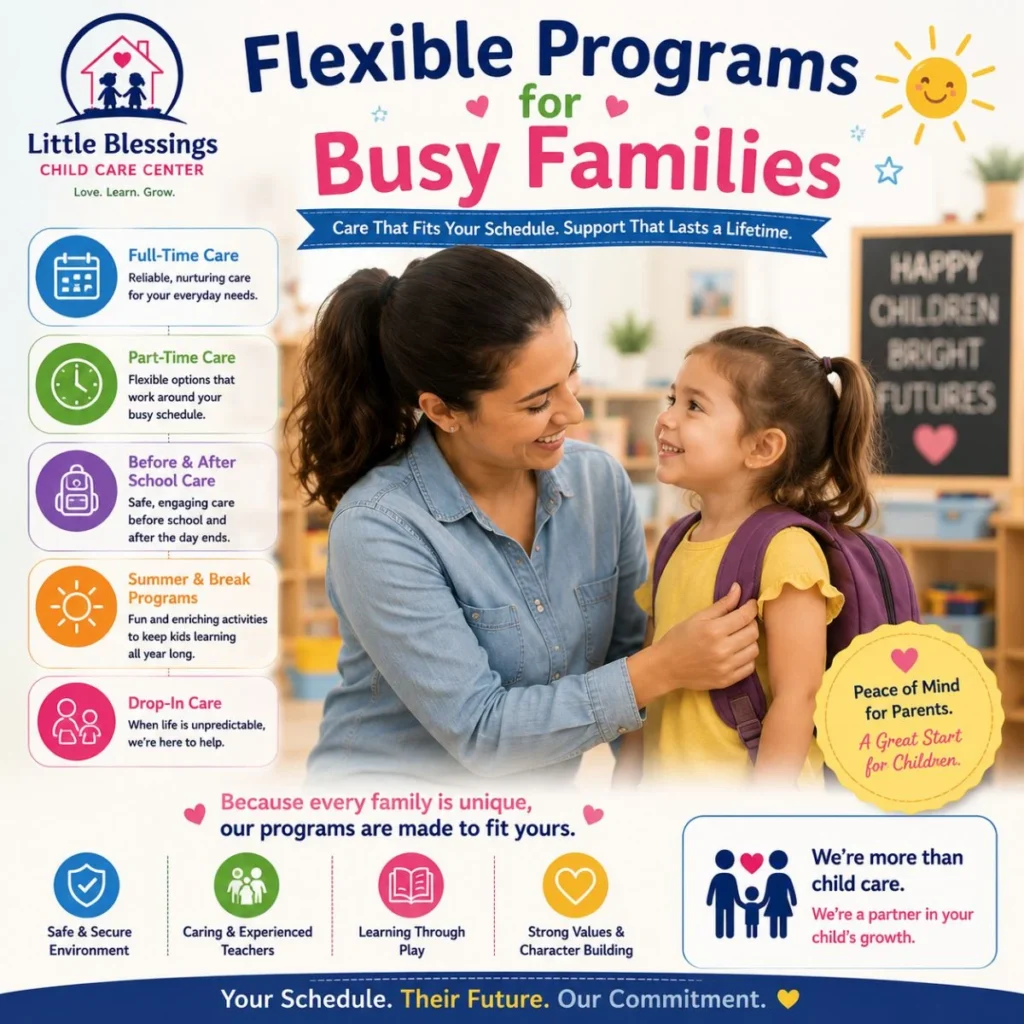
- 🌟 Full-time care supports families with consistent weekly schedules.
- 💛 Part-time options may help parents needing limited coverage.
- 🌱 Before-school care eases rushed morning routines for families.
- 🐣 After-school programs give older children supervised support.
- 🎉 Summer activities keep children engaged during school breaks.
- 🌟 Extended care can help parents with demanding schedules.
- 💛 Transportation support may simplify school-age family logistics.
- 🌱 Enrollment flexibility matters when family needs change.
- 🐣 Clear tuition information helps parents plan confidently.
- 🎉 Sibling options may support families with multiple children.
- 🌟 Program variety allows care to grow with children.
- 💛 Consistent routines help children adjust across different programs.
- 🌱 Family-friendly scheduling reduces stress during work transitions.
- 🐣 School-age care should include safety, rest, and enrichment.
- 🎉 Holiday break support can be valuable for working parents.
- 🌟 Flexible care feels practical, supportive, and dependable.
- 💛 Strong programs recognize parents need real-life solutions.
Classroom Activities and Creative Exploration 🌟
- 🌟 Creative play helps children express thoughts without pressure.
- 💛 Painting encourages color awareness, imagination, and fine motor skills.
- 🌱 Nature walks support curiosity about weather and seasons.
- 🎉 Music time builds rhythm, memory, and joyful movement.
- 🐣 Building activities strengthen planning, balance, and persistence.
- 🌟 Story corners invite quiet focus and early literacy.
- 💛 Dramatic play helps children process real-world experiences.
- 🌱 Gardening activities can teach patience and responsibility.
- 🎉 Holiday crafts create excitement and shared classroom memories.
- 🐣 Sorting activities build early math and reasoning skills.
- 🌟 Dance and movement support coordination and confidence.
- 💛 Open-ended materials encourage creativity without one correct answer.
- 🌱 Science experiments introduce wonder through simple observations.
- 🎉 Group art projects teach teamwork and shared pride.
- 🐣 Sensory tables invite hands-on discovery and conversation.
- 🌟 Creative exploration helps children discover personal interests.
- 💛 Joyful activities make daily learning feel meaningful.
Enrollment Questions Parents Should Ask 🌱
- 🌟 Ask about teacher experience, training, and classroom support.
- 💛 Review safety procedures before making an enrollment decision.
- 🌱 Learn how daily communication is shared with parents.
- 🎉 Ask about curriculum, outdoor play, and learning routines.
- 🐣 Understand infant, toddler, preschool, and school-age options.
- 🌟 Review tuition, fees, schedules, and payment expectations.
- 💛 Ask how allergies and medications are handled.
- 🌱 Learn how teachers comfort children during separation.
- 🎉 Request details about meals, snacks, and rest periods.
- 🐣 Ask how behavior guidance is approached daily.
- 🌟 Tour classrooms to observe cleanliness and organization.
- 💛 Notice whether children seem engaged, calm, and supervised.
- 🌱 Ask how progress and concerns are communicated.
- 🎉 Review pickup policies, emergency plans, and visitor procedures.
- 🐣 Discuss your child’s personality, needs, and routines.
- 🌟 Ask what makes the program supportive for families.
- 💛 Choose care that feels safe, warm, and transparent.
Community Trust and Family Partnership 💛
- 🌟 Strong centers build relationships beyond basic daily care.
- 💛 Family partnerships help children feel supported everywhere.
- 🌱 Community connection encourages belonging for parents and children.
- 🎉 Events can create joyful memories and shared trust.
- 🐣 Teachers learn more when families share home insights.
- 🌟 Respectful listening helps solve concerns before they grow.
- 💛 Parent involvement supports smoother transitions and stronger routines.
- 🌱 A welcoming culture makes families feel included.
- 🎉 Celebrating milestones strengthens relationships between home and school.
- 🐣 Trust develops through consistency, honesty, and compassion.
- 🌟 Families value care teams that remember personal details.
- 💛 Community support matters during changes, stress, and growth.
- 🌱 Shared expectations help children understand routines more easily.
- 🎉 Open-door communication encourages confidence in daily care.
- 🐣 Family feedback can improve classroom experiences over time.
- 🌟 A dependable center becomes part of family life.
- 💛 Partnership turns child care into a meaningful support system.
FAQ Section
What should parents look for in a nurturing child care program?
Parents should look for safe classrooms, warm teachers, clear routines, positive guidance, clean spaces, age-appropriate learning, and open communication.
How does play-based learning help young children?
Play-based learning supports language, problem-solving, creativity, social skills, motor development, and emotional confidence through hands-on discovery.
Why is parent communication important in early care?
Parent communication builds trust, keeps families informed, supports consistency, and helps teachers understand each child’s needs more clearly.
What makes a preschool classroom feel school-ready?
A school-ready classroom supports listening, independence, early literacy, counting, social confidence, routines, and joyful participation.
How can families prepare children for enrollment?
Families can talk positively about the new routine, visit beforehand, practice short separations, and share comfort details with teachers.
Why do safety routines matter in daily care?
Safety routines protect children, reduce preventable risks, guide staff responses, and give families confidence throughout the day.
Conclusion
Finding dependable early care is one of the most meaningful decisions a family can make. little blessings child care center can represent the qualities parents often hope for most: safety, warmth, learning, communication, flexibility, and genuine respect for every child’s growth. A strong child care setting supports infants with comfort, toddlers with discovery, preschoolers with readiness, and families with peace of mind. The best programs do more than fill the day; they help children feel loved, capable, curious, and connected. When parents know what to look for, they can choose care with greater confidence and clarity. Share your favorite pun in the comments below.

Muhammad Arslan is the creator of Blessira. He writes about positivity, blessings, and spiritual growth. His goal is to share simple and helpful content that brings peace, barakah, and a better mindset into daily life.